September 28, 2026
Pop-Up Resuming in Ladysmith
Feed My People Resumes Pop-Up Pantry in Ladysmith to Address Gap in Food Resources As part of its c...
At Feed My People, our mission has always been clear: to feed our neighbors in need across West Central Wisconsin. What's changing isn't that commitment, but rather how we're living it out as needs shift across our 14-county region.
While we've long served the full region, we're now sharpening our focus and directing resources more intentionally to close gaps and strengthen access to food across every community.
To understand this, it helps to step back and look at how our work is designed.
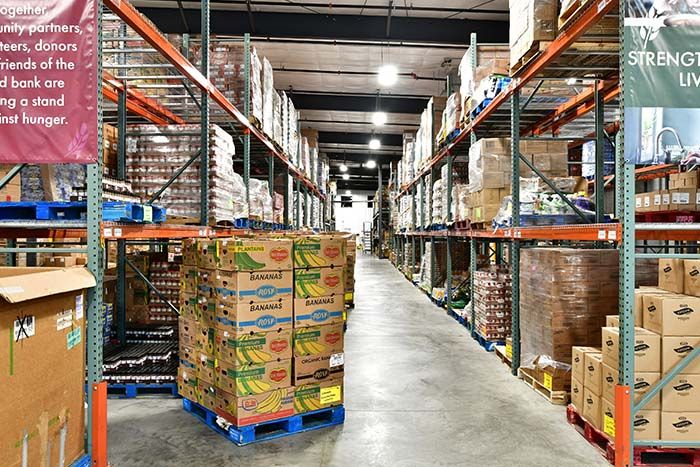
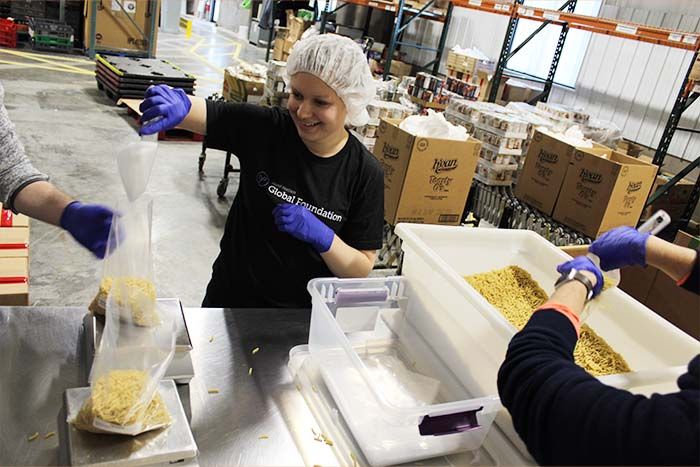
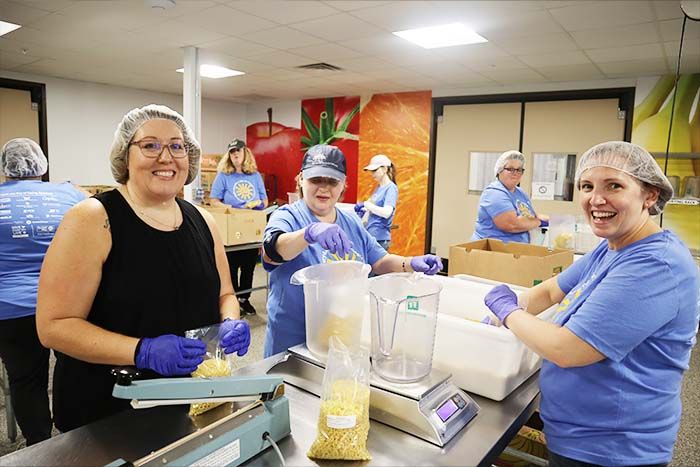
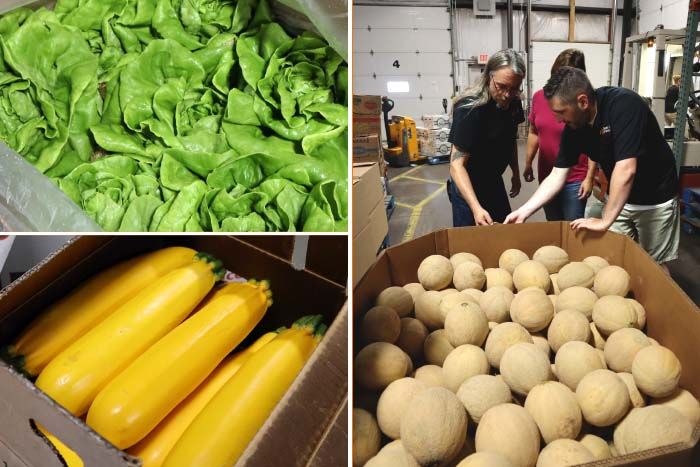
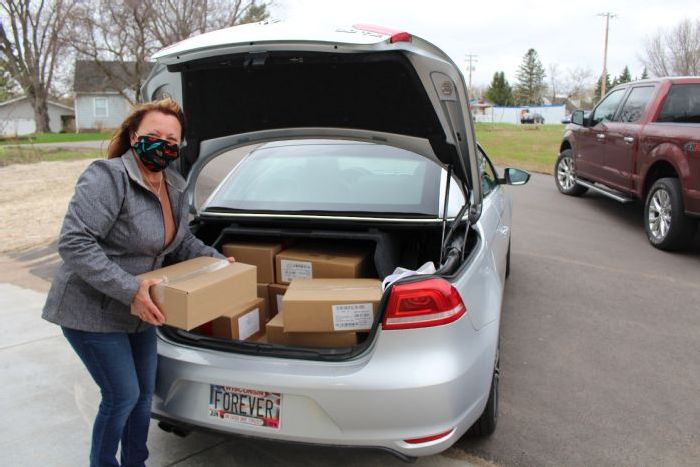
At our core, Feed My People is a food bank. That means we source, store, and distribute food in large quantities, working behind the scenes to supply a network of local partners. Those partners-food pantries, schools, shelters, and community organizations-are the ones directly serving neighbors every day. We call this our partnership network, and it's the backbone of hunger relief in our region.
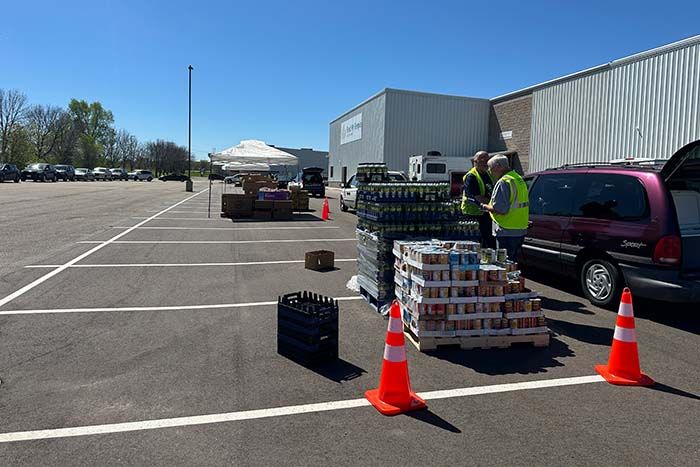
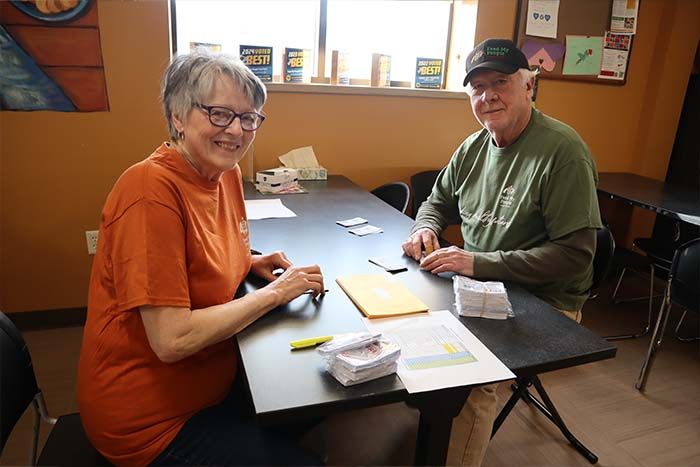
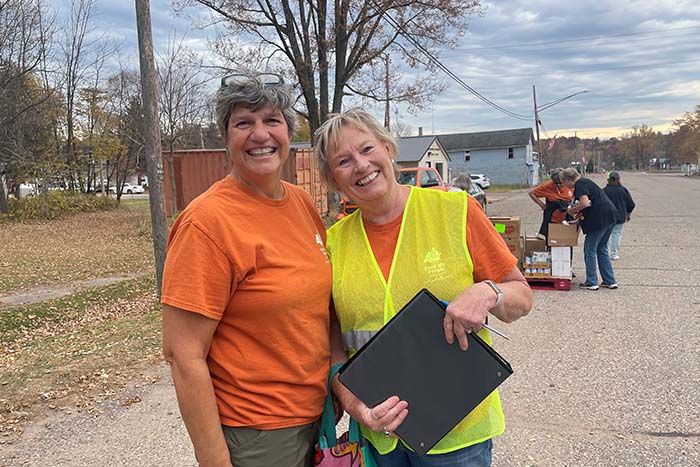
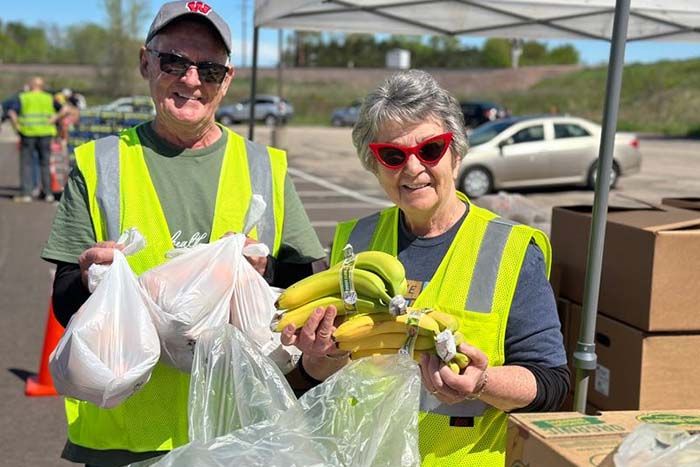
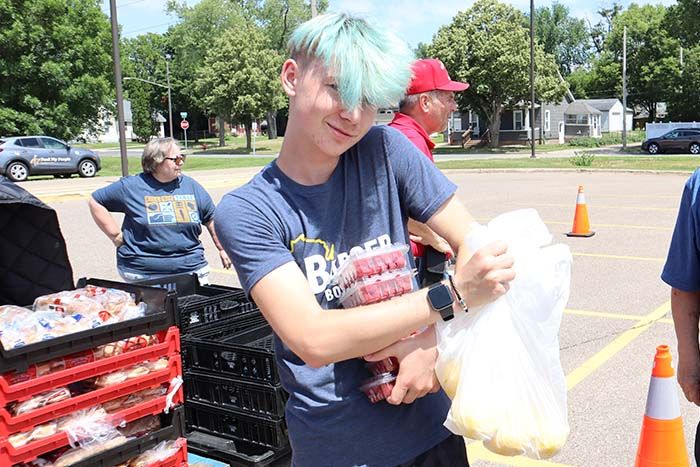
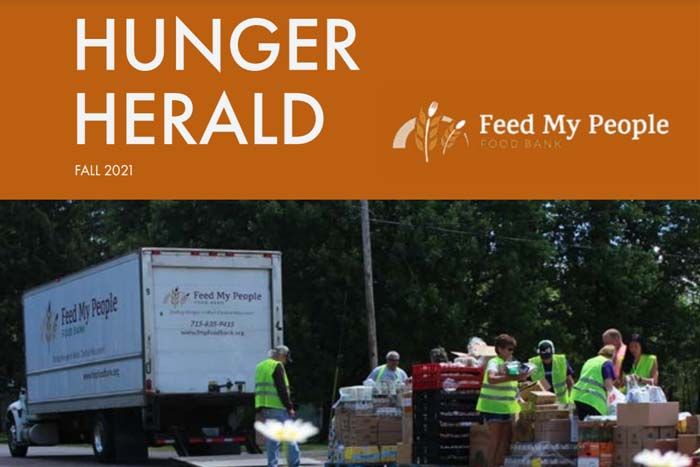
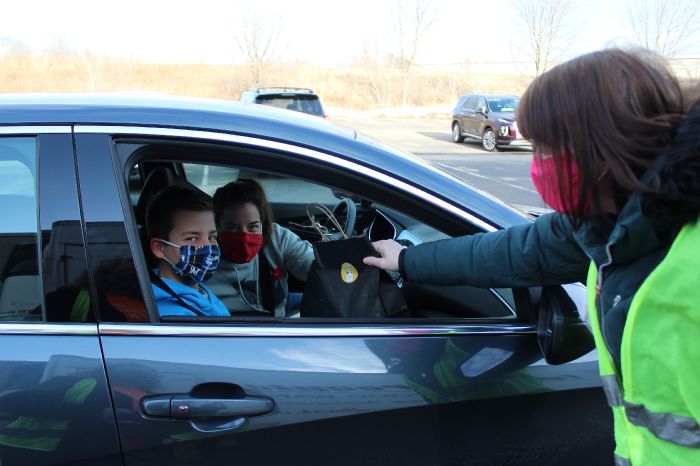
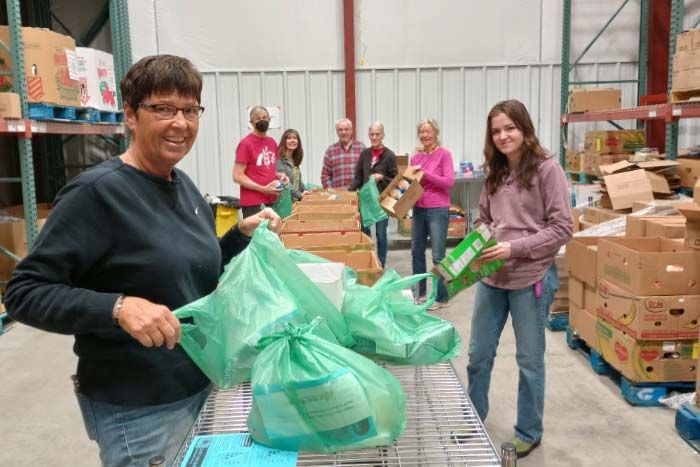
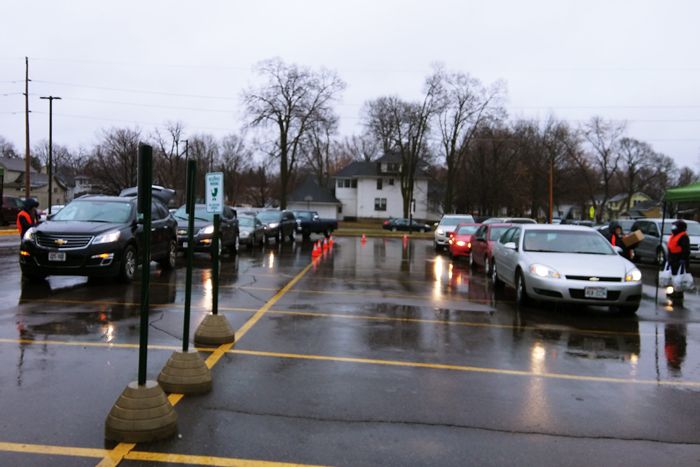
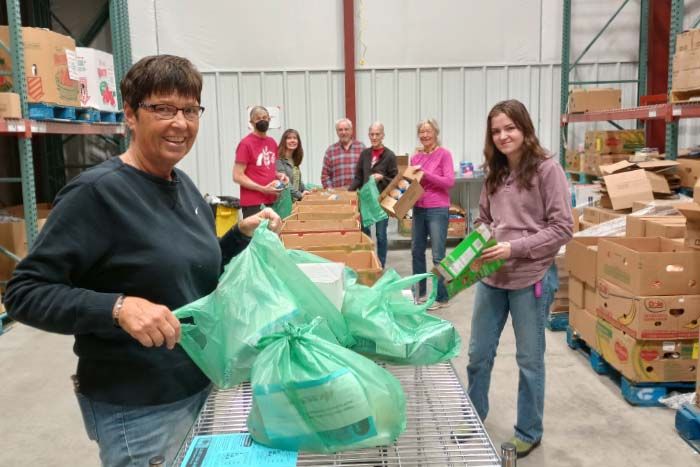
Alongside that, we operate direct programs, including pop-up pantries and school-based efforts. These are designed to fill gaps, not replace our partners. When a community doesn't yet have enough resources, or something unexpected happens, we can step in quickly to make sure people aren't left without support.
And those gaps are real.
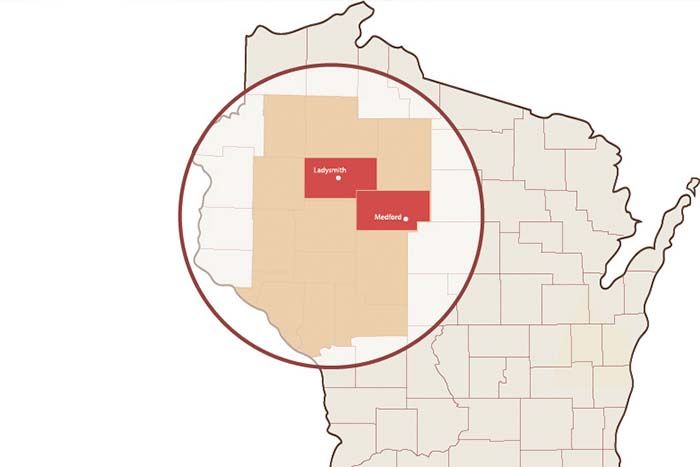
Last fall when two pantries unexpectedly closed in Taylor and Rusk counties, communities like Medford and Ladysmith felt the impact immediately. In Medford, we worked to support a community-led effort to reopen a pantry, now called Taylor County Food Pantry. In Ladysmith, we ran a temporary pop-up while a local partner expanded to meet the need. This past winter, we identified a need at Gateways, a transition school in Eau Claire without an existing food program. We stepped in with direct support.
More recently, the closure of Ruby's Pantries created another sudden gap. While they were not a partner of ours, as they operated under a different model, we recognized that when a consistent food resource in 11 locations in our region disappears overnight, the impact is real. Our team quickly connected with local leaders, organized temporary pop-up distributions where needed, and helped bridge the transition to longer-term solutions.
This is where our role as a regional food bank matters most. Because we're looking at the whole map, we can move resources, respond quickly, and support communities wherever the need is greatest.
That bigger-picture view is also what's guiding an important shift closer to our home base.
Over the past several years, our Eau Claire pop-up pantry has been a vital resource, especially during times of uncertainty. But today, we're seeing something encouraging: our local partners are strong, and with our increased support, they will be equipped and ready to lead.
Because of that, beginning in June, we'll scale back from four Eau Claire pop-up distributions each month to two, with plans to gradually wind down the regular schedule completely.
This shift isn't about doing less; rather, it's about focusing where we're needed most. As our Eau Claire partners continue leading distribution locally, we'll be able to reallocate food, funding, and staff capacity to not only help them but also come alongside communities where gaps still exist or are emerging.
Importantly, the pop-up model itself isn't going away. It remains one of our most vital tools, allowing us to respond quickly in times of disruption, emergency, or unexpected need. Pop-ups will continue in rural communities without enough immediate access to food resources. In times of emergency need, including in Eau Claire, we'll also be able to quickly roll out a pop-up to strengthen the total community response.
Change isn't always easy, especially when it involves programs people have come to rely on. But every decision we make is grounded in a simple goal: making sure that no matter where someone lives in our region, they have access to the support they needed.
Because in the end, this work is bigger than any one program. It's about building a system that's strong, connected, and ready for every neighbor, in every community.